SerrurierVillemoisson-sur-orge 91360 Essonne

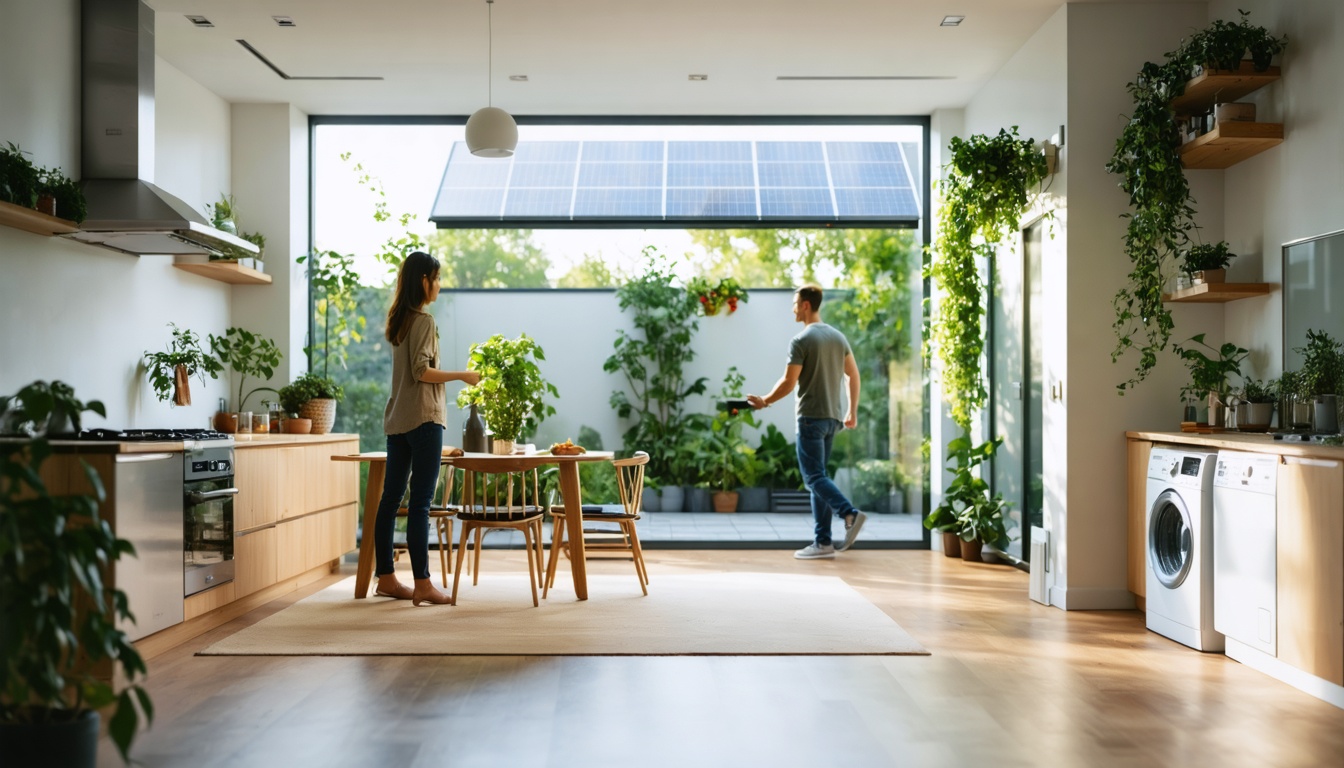
To reduce electricity bills and minimize environmental impact, adopting effective energy practices is beneficial. Several daily habits, the types of appliances used, and minor adjustments in lighting, heating, and cooling can significantly influence energy consumption. Key areas of focus include: 1. **Energy-Efficient Appliances**: Choosing appliances with high energy efficiency ratings can lead to substantial savings over time. Energy Star-rated devices, for example, use less energy without compromising performance. 2. **Lighting**: Transitioning to LED lighting from traditional incandescent bulbs can yield significant reductions in energy use. LEDs consume up to 75% less energy and have a longer life span. 3. **Heating and Cooling**: Optimizing heating and cooling systems through regular maintenance, such as cleaning filters and sealing ducts, can enhance efficiency. Additionally, using programmable or smart thermostats allows for better control of climate systems based on occupancy patterns. 4. **Behavioral Changes**: Simple actions like turning off lights in unoccupied rooms and unplugging devices not in use can prevent unnecessary electricity usage. Implementing these habits consistently can result in cumulative savings. 5. **Smart Power Strips**: Utilizing smart power strips can reduce phantom load - electricity consumed by devices when they are turned off but still plugged in. These strips can automatically cut power to devices after they reach a certain level of inactivity. Overall, by examining and adjusting energy consumption strategies, households can effectively lower their energy waste and contribute positively to environmental preservation.
Implementing energy-efficient behaviors on a daily basis can lead to measurable reductions in household electricity consumption. In Victoria, for example, properly sealing doors and windows, along with the addition of insulation, can enhance energy efficiency and improve the overall comfort of homes in the region.
Turning off electric appliances when they are not in use is a practical method to reduce energy waste. Additionally, adopting a midday power saver approach can further reduce gas and electricity consumption during peak usage hours. Regular maintenance of air filters in hot water systems is advisable, as clean filters allow for improved operational efficiency.
In laundry practices, utilizing cold wash settings not only conserves energy but also extends the lifespan of fabrics.
The use of smart meters facilitates real-time monitoring of energy usage, which can empower consumers to make informed decisions regarding their consumption patterns.
In Victoria, various programs offer incentives for energy efficiency upgrades, including discounts that align with government objectives to promote sustainable electricity use. The implementation of these practices not only leads to financial savings but also contributes to broader efforts towards fostering a sustainable energy future.
Upgrading appliances and lighting in residential and commercial properties can lead to considerable long-term energy savings. For example, substituting incandescent bulbs with energy-efficient LED alternatives can decrease lighting costs by up to 80% and also extend the operational lifespan of the bulbs.
Additionally, transitioning to efficient appliances, such as induction cooktops, reverse cycle heating and cooling systems, and modernized water heating systems, can help Victorian homeowners align with current industry standards and regulations while supporting the state's Zero Emissions targets.
When selecting new equipment, it is important to consider products that bear the ENERGY STAR label, as this indicates compliance with established energy efficiency standards.
Moreover, investigating available rebates and incentive programs can further improve the financial feasibility of these upgrades. Implementing smart meters and other energy management technologies can enhance energy efficiency and improve safety within the home.
These upgrades provide benefits for both residential and commercial sectors, facilitating a transition toward a more sustainable electricity future for Victoria.
Investments in energy-efficient technologies can yield ongoing savings, contributing to both economic and environmental improvements over time.
Many electronic devices in homes can draw power even when turned off or in standby mode, a situation known as standby or phantom power. This type of power consumption can lead to increased electricity costs for consumers and contributes to overall energy waste.
In Victoria, addressing this issue is important for energy conservation and aligning with renewable energy efforts.
To reduce unnecessary energy consumption, it is advisable for individuals to unplug devices that are not in use. Utilizing smart meters can help monitor energy usage effectively, while smart power strips can automatically cut power to inactive devices.
Additionally, energy-efficient practices, such as turning off induction cooktops or hot water systems when they are not in use, contribute to lowering overall energy consumption.
Upgrading to more energy-efficient appliances and following industry guidelines can assist households in Victoria in achieving lower emissions. Several programs and incentives offered by local energy authorities may also support residents in using electricity more efficiently, contributing to a transition towards a more sustainable energy approach.
Heating and cooling systems constitute a significant portion of a household's energy consumption, often exceeding 50% of total energy use. As such, evaluating and optimizing the management of these systems is critical for achieving reductions in energy costs.
To enhance energy efficiency, it is recommended to set the thermostat within the following temperature ranges: 18–20°C during winter months and 26°C or higher during summer. These adjustments can help maintain comfort while minimizing energy expenditures.
Additionally, regular replacement of air filters is important for improving airflow efficiency and overall system performance. Closing doors to unused rooms can further mitigate energy loss by preventing conditioned air from flowing into areas that do not require heating or cooling.
Further investments in system improvements, such as upgraded insulation, reverse cycle air conditioning systems, and the incorporation of solar or other renewable energy sources, such as those provided by West Palm Beach Solar Energy Solutions, have the potential to increase energy efficiency and realize cost savings over time.
In Victoria, there are regulatory measures in place that mandate compliance with safety and efficiency standards for heating and cooling solutions.
For a deeper understanding of energy-saving strategies, consulting resources, frequently asked questions, and case studies can provide practical insights into effective applications of these principles.
Many households install smart meters as part of utility upgrades, yet a considerable number do not utilize the data these devices provide effectively. Regularly analyzing smart meter readings enables homeowners to identify patterns of high energy consumption for electricity and gas, thereby highlighting areas for potential efficiency improvements that comply with Victorian energy standards.
Monitoring energy usage helps households make informed decisions that may lead to reduced costs. For example, insights gained from energy consumption data can be used to evaluate the effectiveness of insulation and the operation of heating and cooling systems, such as reverse cycle air conditioning.
Additionally, assessing the performance of renewable energy sources like solar and wind power can demonstrate their advantages in terms of cost reduction and environmental sustainability.
Resources available in the Menu section under Households offer guidance on energy conservation throughout different seasons, along with information about energy storage projects and strategies for maximizing the use of midday power saver options.
This systematic approach to data analysis not only aids individuals in managing their energy use more efficiently but also supports the overarching goal of reaching Victoria’s zero emissions targets. Furthermore, it reinforces the framework established by the Supporting Solstice initiatives in promoting responsible energy consumption.
To manage electricity costs effectively, it is recommended that consumers regularly assess energy offers through reliable online platforms, such as Victorian Energy Compare.
In Victoria, this process entails evaluating various plans and offers for both gas and electricity to identify possible savings. Key factors to compare include applicable discounts and the relative costs of solar energy versus grid electricity.
Switching energy providers has the potential to result in financial savings and increased energy efficiency.
Households should take industry standards into account, which often encompass insulation guidelines and energy storage targets, as these can facilitate engagement in renewable energy programs, such as those focused on wind and offshore energy storage.
Regulatory structures, including the Retail Code and routine regulatory evaluations, play a role in ensuring access to competitive rates and rebates.
These frameworks incorporate consumer protections, such as the emergency backstop mechanism, which help consumers obtain favorable pricing options and support initiatives aimed at improving electrification and energy efficiency.
Examples of such initiatives include programs designed to promote energy savings during peak midday hours.
Enhancing home insulation is an effective strategy for reducing energy consumption and lowering utility costs. Upgrading the insulation in a Victorian home, particularly in the ceiling areas, can result in energy savings of approximately 20% for heating and cooling expenses. This improvement can significantly enhance the overall energy efficiency of the residence.
Homeowners in Victoria may want to investigate available financial incentives from organizations such as Sustainability Victoria, which offers programs designed to support energy efficiency initiatives. It is also important to consult local regulations and standards concerning residential insulation to ensure compliance and optimization of potential benefits.
In addition to reinforcing insulation, exploring renewable energy options, including solar power systems, can further improve energy efficiency. Upgrading to solar hot water systems or incorporating energy storage solutions could qualify for various state incentives.
The use of solar and wind energy, alongside efficient appliances like induction cooktops and reverse cycle air conditioners, can help households enhance their energy sustainability efforts.
These measures may facilitate a transition towards reduced carbon emissions while also aiming to decrease long-term energy costs for homeowners.
By implementing practical energy-saving practices, households can decrease unnecessary electricity consumption. Actions such as upgrading to more energy-efficient appliances, optimizing lighting solutions, and effectively managing heating and cooling systems contribute to reduced electricity use and can lead to lower utility bills. Utilizing technology, such as smart meters and home automation systems, allows homeowners to monitor and control their energy usage with greater precision. Over time, these measures not only result in financial savings but also reduce the overall environmental footprint of the household, thereby enhancing energy efficiency and sustainability in residential settings.
©2014-2015 • • Nos liens : Mentions légales